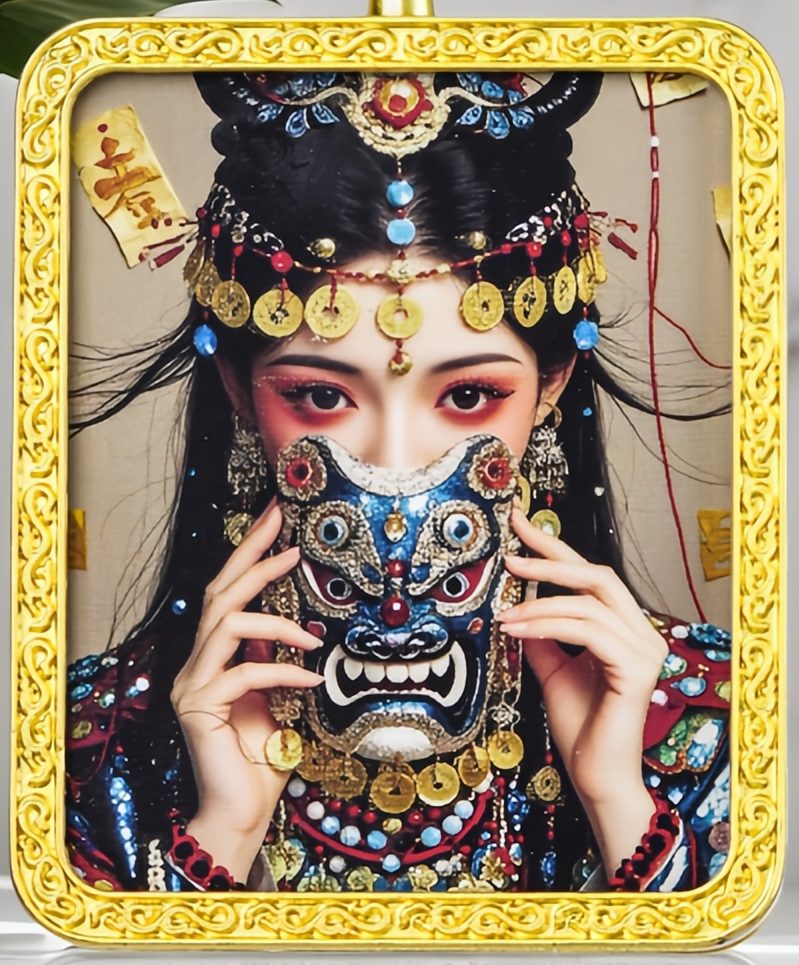
A complete illustrated introduction


📌 What Is a Thangka?
A Thangka (also spelled Tanka or Thanka) is a traditional Tibetan Buddhist scroll painting created on cotton or silk.
It is considered a spiritual object, used for meditation, rituals, blessings, and religious teachings.
A Thangka is often described as:
- A visual scripture
- A sacred meditation guide
- A detailed map of Buddhist cosmology
- A collectible piece of Himalayan art
Thangkas are treasured for both their spiritual significance and meticulous craftsmanship, making them one of the most respected forms of Buddhist art.
🌟 Different Types of Thangkas
4
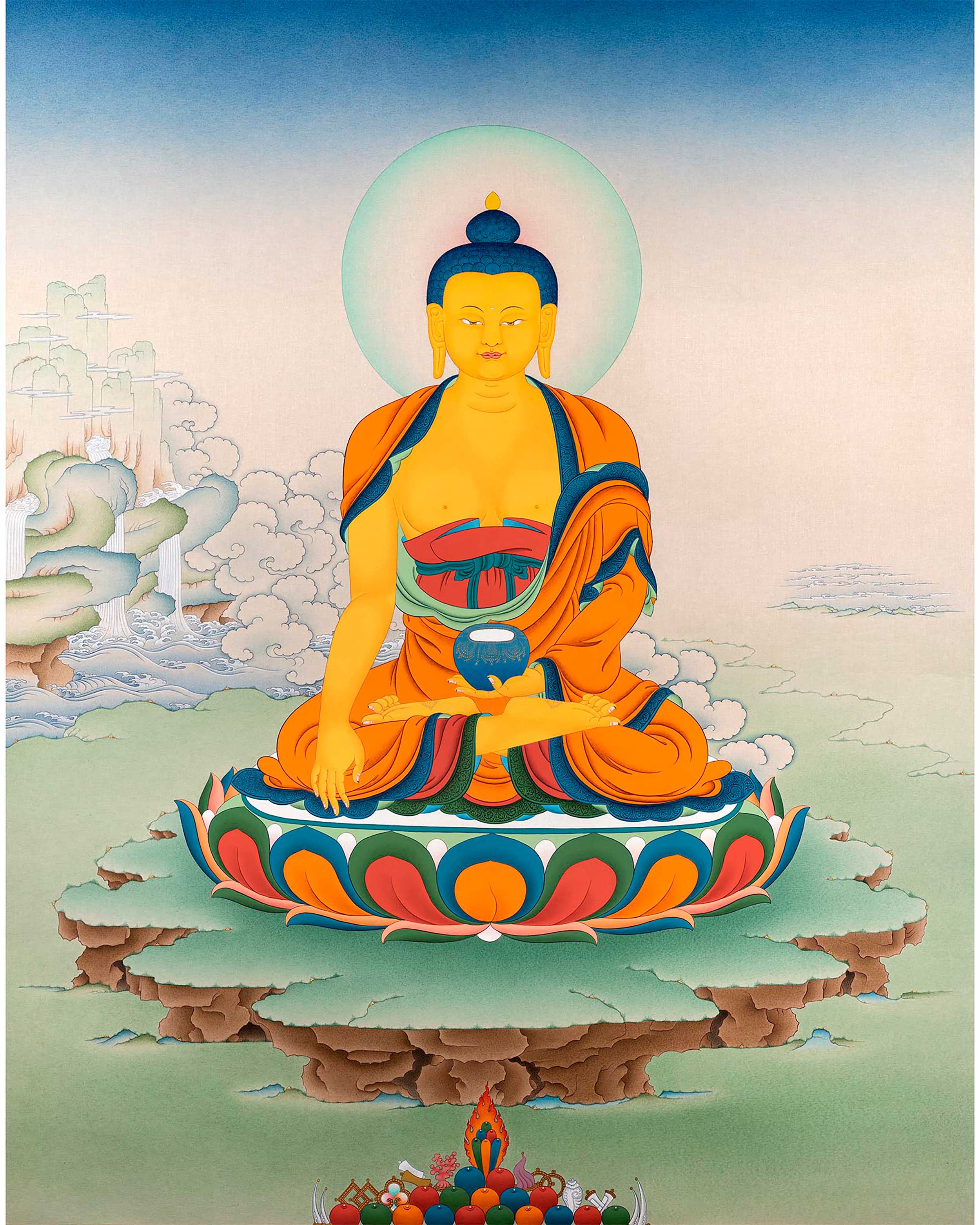
1️⃣ Buddha Thangka
Depicts Shakyamuni Buddha, Medicine Buddha, Amitabha, and other enlightened beings.
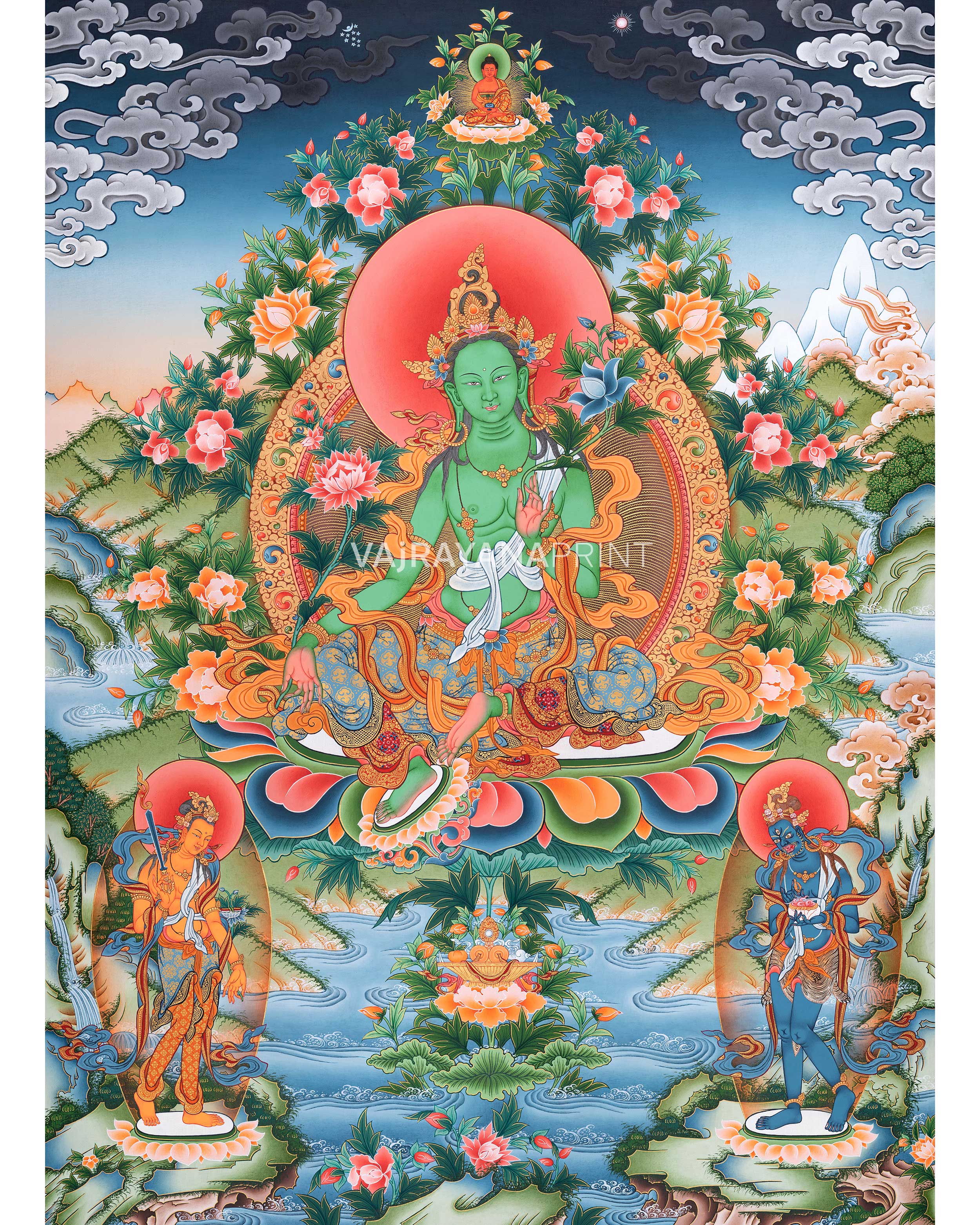
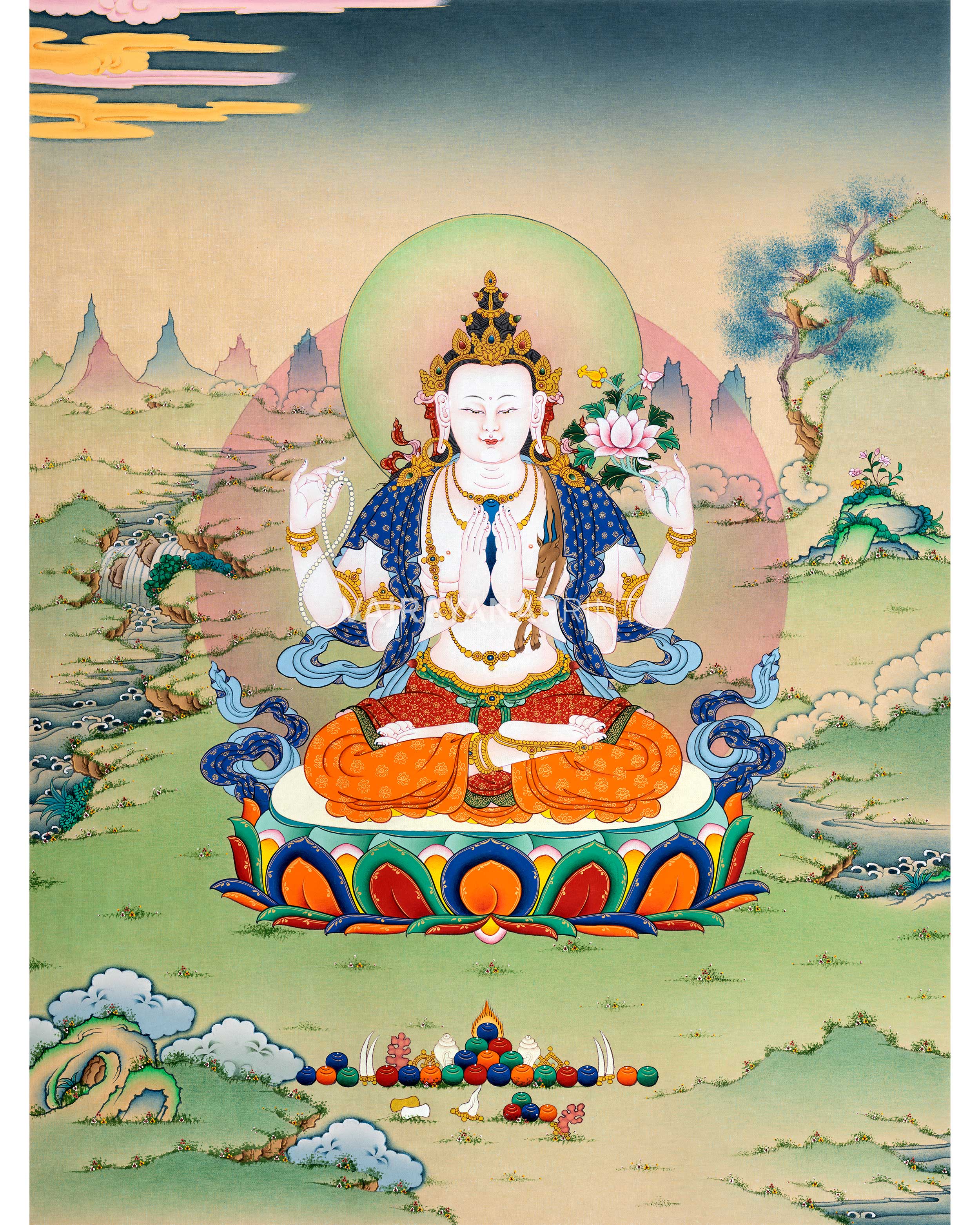
2️⃣ Bodhisattva Thangka
Shows compassionate deities such as Green Tara, Avalokiteshvara (Chenrezig), or Manjushri.
3️⃣ Protector Deity Thangka
Features fierce guardians like Vajrapani or Mahakala, used for protection and overcoming obstacles.
4️⃣ Mandala Thangka
Highly detailed geometric compositions that represent the universe and the enlightened mind.
🎨 How a Thangka Is Made (Traditional Process)

4
Creating a hand-painted Thangka is a long and sacred process, often requiring months of work:
✔ 1. Preparing the Canvas
Cotton or silk fabric is stretched on a wooden frame and coated with chalk and animal glue, then polished smooth.
✔ 2. Drawing the Sacred Proportions
Artists follow strict measurements from ancient scriptures to draw Buddha figures accurately.
✔ 3. Coloring with Natural Pigments
Traditional Thangkas use:
- Mineral pigments: lapis lazuli, malachite, cinnabar
- Natural dyes: saffron, indigo
- 24K gold powder for highlights
These pigments give Thangkas their vibrant, long-lasting colors, remaining bright for centuries.
✔ 4. Gold Outlining & Detailing
Fine gold lines enhance the divine presence of the figures.
✔ 5. Blessing Ceremony (Optional)
Some Thangkas are blessed by monks or used in religious rituals before being offered for sale.
🏛️ Cultural and Spiritual Significance

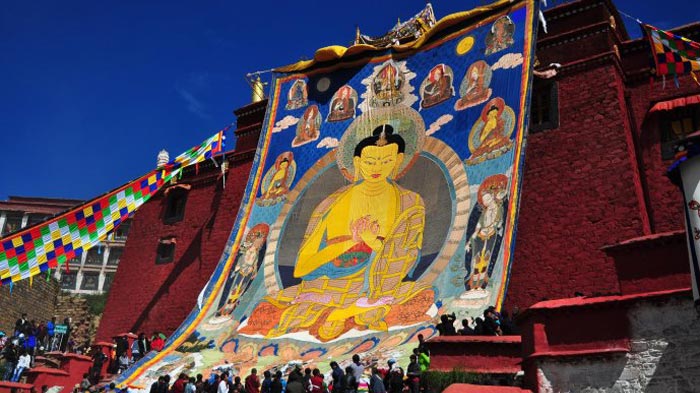
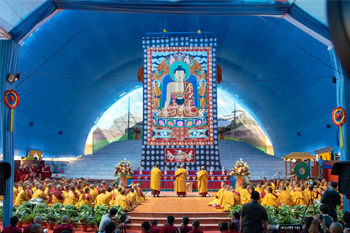
Thangkas are more than artwork—they are sacred tools in Tibetan Buddhism.
They are used for:
- Meditation & visualization practices
- Teaching Buddhist philosophy
- Ceremonies, prayers, and rituals
- Healing and protection
- Historical preservation of Buddhist lineage
Many Thangka painting traditions are recognized as Intangible Cultural Heritage, preserving centuries of spiritual knowledge.
🏡 Where to Display a Thangka
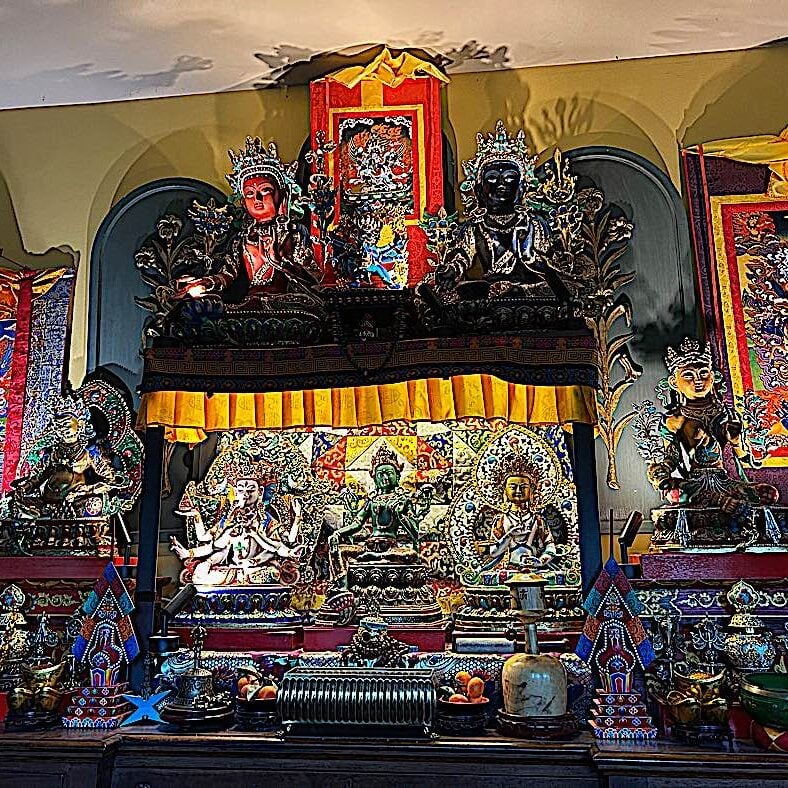
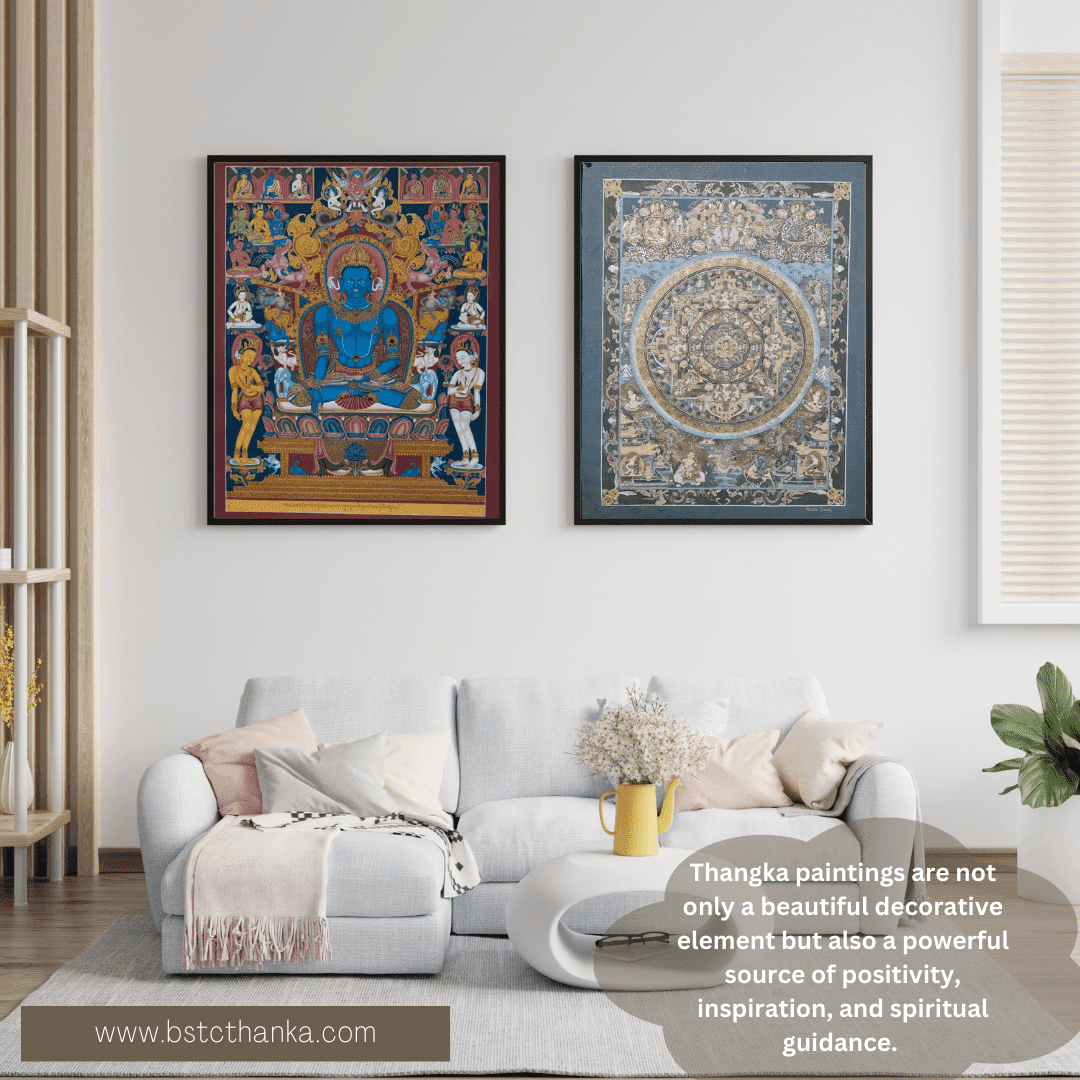

A Thangka can be displayed in various settings:
- Home meditation room or altar
- Living room or study
- Yoga or mindfulness studio
- Office or reception space
- Cultural centers or spiritual halls
- As a meaningful spiritual gift
Its presence brings an atmosphere of peace, focus, and protection.
🎁 Why People Collect Thangkas
- Spiritual purpose: meditation, blessings, and guidance
- Artistic value: fine craftsmanship and sacred proportions
- Cultural heritage: unique to Tibet and the Himalayas
- Investment value: hand-painted Thangkas appreciate over time
- Personal meaning: symbol of compassion, wisdom, and protection
✨ Conclusion
A Thangka is not just a painting—
it is a doorway to Buddhist wisdom,
a spiritual companion,
and a masterpiece of Himalayan culture.
Whether for meditation, blessing, cultural appreciation, or interior decoration,
a Thangka brings beauty, meaning, and positive energy into any space.

一位 WordPress 评论者
您好,这是一条评论。若需要审核、编辑或删除评论,请访问仪表盘的评论界面。评论者头像来自 Gravatar。